40 fruits tree
40 different fruits in one tree? Could this be possible?
Yes, according to Sam van Aken (his website)
in this video he shows how (and a ted talk)
update; and what about growing your own chair?
Do you want to become inspired? Start reading!
We filter scientific papers and online articles on their wow effect.

40 different fruits in one tree? Could this be possible?
Yes, according to Sam van Aken (his website)
in this video he shows how (and a ted talk)
update; and what about growing your own chair?
Johan Gieles was researching how some types of bamboo grow in a square size, when he on accident developed this formula and generalized it for many shapes. It is now used in many different fields of research
Want a new solution for your problems? Look to nature!
Biomimicry is one of the key drivers for new innovations
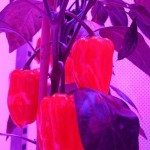 Have you ever though about growning plants without sunlight? Or have a domestic farm with wild goose? Although this post does not contain pure scientific papers, it still is inspiring to see and understand how we can use nature different and in a better way:
Plants in purple light, Wild goose farm
New add showing a clear and interesting approach to co-develop:
Window farming, improving broken environments and From desert to paradise: green gold by John D liu. And this Ted talk
when you see this, everything looks different
an intriguing short movie (6 min)
update: here is another even more interactive and astonishing way to see how insignificant we are; interactive toolbar
update 2: the universe from small to big explained
 Again, developments in one field of science could be used in other fields as well. Very inspiring!
But it will probably still take some time before it really works

From a reader
‘Hi, I had to read this article for a PhD class, and I found it really interesting. A bit different, shaking the foundations of sustainability science as we know it, but I think it makes a good case. It says – in some sense in a way Björn Lomborg-style approach – that the record of environmental degradation in Africa (in this case, deforestation) is incorrect, at least in the two case studies they present, and that this assumption is stabilised with narratives that are based more on Western imagination than on African realities.
To me, they make a nice case, although it is impossible to judge which data is correct’